
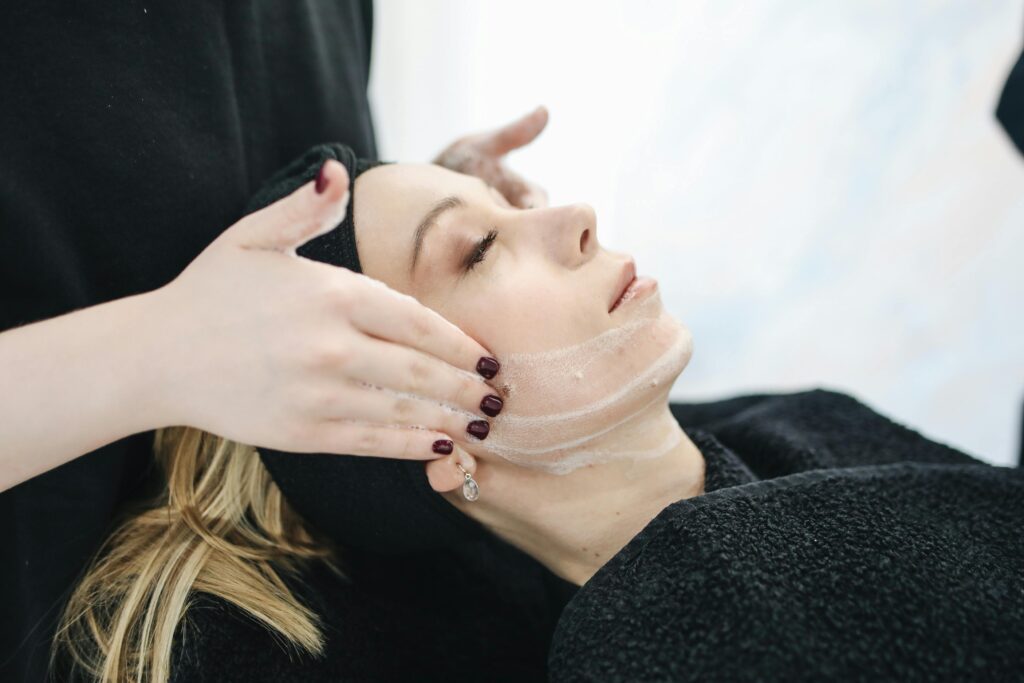
Your skin is more than just a pretty surface — it’s your body’s largest organ and its first line of defense. To keep it strong, smooth, and glowing, you need to feed it right from the inside out.
Let’s look at the essential nutrients your skin needs and the best ways to get them.
Healthy Fats: Your Skin’s Natural Moisturizer
Healthy fats give your skin its soft, hydrated glow. Without enough fat in your diet, skin can become dry, flaky, and prone to wrinkles.
Focus on:
- Monounsaturated & polyunsaturated fats – Found in nuts, seeds, avocados, and fish
- Omega-3 fatty acids – Help build skin cell walls, reduce inflammation, and may block skin cancer development
💡 Tip: Swap out saturated fats (like those from red meat and butter) for healthier plant-based or fish oils.
Protein: Building Blocks for Strong Skin
Protein is vital for creating collagen and keratin, which form the structure of your skin. When you eat protein, your body breaks it down into amino acids, which also help:
- Shed old skin cells
- Protect against UV damage and harmful free radicals
Vitamin A: The Skin Cell Regulator
Vitamin A supports both the top and bottom layers of skin. It:
- Prevents collagen breakdown from sun damage
- Keeps oil glands working properly
- Aids healing of cuts and scrapes
Without enough vitamin A, your skin may become dry, itchy, or bumpy.
Vitamin C: Collagen’s Best Friend
Think of vitamin C as the glue that helps hold your skin together. It:
- Supports collagen structure
- Acts as a powerful antioxidant
- May help lower your risk of skin cancer
Signs of deficiency include easy bruising, bleeding gums, and slow-healing wounds.
Vitamin E: The UV Shield
Vitamin E helps absorb harmful UV rays, reducing signs of aging like wrinkles and sagging. It also:
- Fights inflammation
- Works with vitamin C to keep cell walls strong
Zinc: The Skin Healer
Zinc is concentrated in the outer layer of your skin and plays a big role in:
- Healing wounds
- Stabilizing skin cell membranes
- Protecting from UV damage by interacting with other metals in your body
Too little zinc? You may get an itchy, eczema-like rash that doesn’t improve with moisturizers.
Selenium: The Skin Defender
This mineral helps antioxidants defend your skin from UV damage. Low selenium levels have been linked to higher skin cancer risk.
Skin-Friendly Foods
Many whole foods deliver more than one skin-loving nutrient at a time. Here are some all-star options:
| Food | Key Nutrients |
|---|---|
| Fatty fish (salmon, sardines, tuna) | Protein, omega-3s, selenium |
| Leafy greens (spinach, kale, collards) | Vitamins A, C, E; protein; omega-3s; selenium |
| Eggs | Protein, vitamins A & E, selenium, zinc |
| Flaxseeds | Omega-3s, selenium |
| Legumes (lentils, chickpeas) | Protein, zinc |
| Avocados | Healthy fats, vitamins C & E |
| Olive oil (extra virgin) | Healthy fats, vitamin E |
What About Supplements?
Whole foods are best, but if you’re not getting enough nutrients from your diet, supplements might help. That said, talk to your doctor first — especially if you:
- Take blood thinners (which can interact with fish oil)
- Have a weakened immune system
- Are on antibiotics (zinc can interfere with their effectiveness)
Final Thoughts
Great skin starts with good nutrition. By including these key vitamins, minerals, and healthy fats in your diet, you give your skin the support it needs to stay firm, hydrated, and glowing — naturally.
